Buy for HOME
or Buy in BULK ' O n l i n E '
Premium Phool Makhana & Fox Nuts from India
Bulk • Wholesale • Export • Private Label
निर्यात/आयात
पूरब से पश्चिम तक और पूरी दुनिया तक
MAKHANA ?
Origin: India, especially Bihar | Also Known As: Fox Nuts, Phool Makhana | Grades: 4 Suta, 5 Suta, 6 Suta, 7 Suta etc | Forms: Plain, Roasted, Flavoured & Powder | Uses: Snacks, Sweets & Food Products | Markets: Retail, Wholesale & Export | Storage: Cool & Dry Place | Buying: Check Grade, Size, Quality & Packaging.
मखाना के बारे में
मखाना, जिसे आमतौर पर फॉक्स नट्स, कमल के बीज या गोरगॉन नट्स के नाम से जाना जाता है, यूरीएल फेरॉक्स नामक जलीय पौधे से प्राप्त एक खाद्य बीज है। यह विशेष रूप से भारत के बिहार राज्य से जुड़ा है, जो विश्व के प्रमुख उत्पादन क्षेत्रों में से एक है। बीजों को पानी से निकाला जाता है, सुखाया जाता है, संसाधित किया जाता है और पारंपरिक रूप से भूनकर या फुलाकर सफेद, कुरकुरे मखाने तैयार किए जाते हैं जिन्हें लोग आमतौर पर खाते हैं।
और जानेOrigin & Regional Heritage (Bihar, India)
भारत की जलीय कृषि परंपराओं में मखाना की गहरी जड़ें हैं, और बिहार, विशेष रूप से मिथिला क्षेत्र, कमल के बीज की खेती के लिए देश का प्रमुख केंद्र माना जाता है। इस क्षेत्र की प्राकृतिक आर्द्रभूमि, मौसमी जल चक्र और सदियों पुरानी कटाई की कुशलताएँ इसकी निरंतर उपलब्धता और बाज़ार में एक विशिष्ट प्रतिष्ठा में योगदान देती हैं। अंतर्राष्ट्रीय खरीदार अक्सर पसंदीदा स्रोत, पहचान की विश्वसनीयता और भारत के प्रमुख उत्पादक क्षेत्र से स्थापित व्यापार प्रथाओं की जानकारी दर्शाने के लिए "बिहार मूल" का उल्लेख करते हैं।
मखाना प्रसंस्करण
Makhana processing is a carefully controlled journey from pond to packet. Raw Makhana seeds are harvested, cleaned, dried and graded before undergoing controlled heating and popping. The popped Makhana is then cleaned, sorted and graded according to size and quality. Depending on the final product, it may be roasted and flavored before being packed in moisture-resistant packaging to retain its characteristic crunch and freshness. 1. Harvesting Makhana seeds are collected from the fruits of the aquatic plant Euryale ferox, mainly from ponds and wetlands. 2. Cleaning & Washing The harvested seeds are cleaned to remove mud, plant material and other impurities. 3. Drying The seeds are properly dried to reduce moisture and prepare them for storage and further processing. 4. Grading Dried seeds are sorted according to their size, quality and weight. Proper grading is important because different grades require different processing conditions. 5. Conditioning / Heating The graded seeds undergo controlled heating or roasting. This prepares the hard outer seed for popping. 6. Popping The heated seeds are subjected to controlled roasting and impact/pressure, causing the kernel inside to expand and produce the characteristic white, fluffy Makhana. 7. Cleaning & Sorting The popped Makhana is cleaned and sorted to remove unpopped, burnt, broken or defective pieces. 8. Final Grading The popped Makhana is graded into different sizes and qualities, commonly identified by Suta grades. 9. Roasting & Flavouring (for ready-to-eat products) Makhana may be roasted further and seasoned with ingredients such as salt, spices, cheese or other flavours. 10. Packaging Finally, the product is packed in moisture-resistant packaging to preserve its crispness, quality and shelf life. Simple Flow Harvesting → Cleaning → Drying → Grading → Conditioning → Heating → Popping → Sorting → Grading → Roasting/Flavouring → Packaging
मखाना ग्रेडिंग - 4, 5, 6 प्लस SUTA
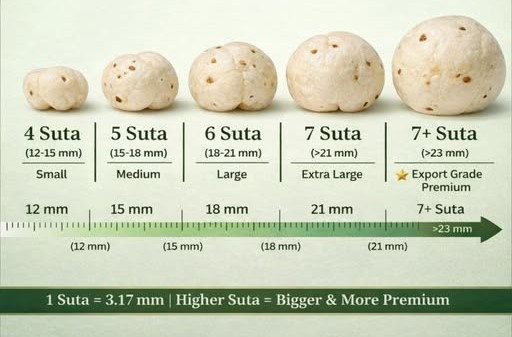
सूता, मखाना उद्योग में इस्तेमाल होने वाला एक पारंपरिक ग्रेडिंग शब्द है, जो पॉप किए हुए मखाने के आकार और गुणवत्ता को दर्शाता है। आम तौर पर, उच्च सूता ग्रेड का मतलब होता है बड़े और अधिक सावधानी से चुने गए पॉप किए हुए दाने, हालांकि आपूर्तिकर्ताओं के बीच ग्रेडिंग के तरीके और विशिष्टताएँ भिन्न हो सकती हैं। उदाहरण के लिए, 4 सूता, 5 सूता, 6 सूता और 6+ सूता का उपयोग विभिन्न आकार/गुणवत्ता श्रेणियों को अलग करने के लिए किया जा सकता है। सटीक ग्रेडिंग विशिष्टता आपूर्तिकर्ता द्वारा स्पष्ट रूप से परिभाषित की जानी चाहिए, विशेष रूप से B2B और निर्यात ऑर्डर के लिए। सूता क्यों महत्वपूर्ण है? सूता ग्रेडिंग खरीदारों को उनके इच्छित उपयोग के अनुसार मखाना चुनने में मदद करती है: खुदरा स्नैकिंग - आकर्षक, बड़े और एक समान दाने अक्सर पसंद किए जाते हैं। प्रीमियम उत्पाद - उच्च ग्रेड अधिक सुसंगत रूप प्रदान कर सकते हैं। थोक - ग्रेडिंग खरीदारों को उनकी आवश्यक गुणवत्ता निर्दिष्ट करने में मदद करती है। खाद्य निर्माण - उपयोग और प्रसंस्करण आवश्यकताओं के अनुसार उपयुक्त ग्रेड का चयन किया जा सकता है।
मखाना गुणवत्ता जांच
Quality checking should go beyond simply looking at the size of the Makhana. A good quality-control process can include: 1. Size & Grading Makhana is checked for size uniformity and grade, with appropriate separation of different sizes. 2. Colour & Appearance Premium popped Makhana generally has a clean, light and uniform appearance. Discoloured, burnt or visibly damaged pieces should be identified and separated. 3. Popping Quality The percentage of properly popped kernels versus unpopped or partially popped seeds is an important quality parameter. 4. Broken & Damaged Pieces The quantity of broken, crushed or damaged Makhana should be checked according to the agreed product specification. 5. Moisture Moisture is an important parameter because excessive moisture can adversely affect crispness, storage stability and shelf life. The acceptable specification should be established according to the product and packaging conditions. 6. Foreign Matter & Cleanliness The product should be inspected for foreign materials, dust and other unwanted particles and should meet the agreed food-safety specification. 7. Taste, Aroma & Texture Makhana should have a clean, characteristic taste and aroma, without undesirable odour or flavour. The texture should be appropriately crisp for the intended product. 8. Packaging & Storage Proper moisture-barrier packaging and suitable storage conditions are important to maintain quality after processing. A good website version for IndianMakhana.in Makhana Suta Grading & Quality Checking Suta grading is a traditional method used in the Makhana industry to classify popped Makhana according to size and quality. Grades such as 4 Suta, 5 Suta, 6 Suta and 6+ Suta help buyers select Makhana according to their requirements. At every stage, quality should be evaluated through size and grade, appearance, popping quality, broken pieces, moisture, cleanliness, taste, aroma and texture. Proper sorting and grading help deliver a more consistent product for retail, wholesale, food manufacturing and export requirements. For B2B buyers, quality specifications should always be mutually agreed before bulk production and supply. For your website, I would also add a small “Quality Parameters” table: Parameter What is Checked Suta / Grade Size and uniformity Appearance Colour and visual quality Popping Properly popped kernels Broken Pieces Percentage of broken Makhana Moisture According to agreed specification Foreign Matter Cleanliness Taste & Aroma Sensory quality Packaging Protection from moisture and contamination
Why IndianMakhana.in
रोजमर्रा के नाश्ते से लेकर थोक व्यापार खरीद तक, IndianMakhana.in आपको खुदरा, थोक, खाद्य व्यवसायों और अंतरराष्ट्रीय बाजारों के लिए सावधानीपूर्वक चुने और वर्गीकृत भारतीय मखाना से जोड़ता है।
मखाना के बारे में
Origin & Regional Heritage (Bihar, India)
मखाना प्रसंस्करण
मखाना ग्रेडिंग - 4, 5, 6 प्लस SUTA
मखाना गुणवत्ता जांच
Why IndianMakhana.in
IndianMakhana.in, owned and operated by Star Connexions International, is an Indian company established in 2020, headquartered in Mumbai (Virar), Maharashtra, with the necessary GST registration, Import Export Code (IEC), applicable food business licenses and other statutory registrations and compliances required for its business operations.
We operate with a strong focus on transparency, regulatory compliance, quality and responsible business practices, serving retail customers, wholesalers, distributors, food manufacturers, exporters, importers and international buyers of Indian Makhana, Phool Makhana and Fox Nuts.
We are building a dedicated platform for Indian Makhana, Phool Makhana and Fox Nuts, serving retail customers as well as wholesalers, distributors, food manufacturers, exporters and international buyers.
Led by Founder Mr. Neeraj Thakur, along with Mr. Rajesh Raval, Mr. Jay Kumar Nayak and Shaktinath Mishra our leadership team brings 15+ years of experience in the Food Processing and Allied Industries.
From Bihar to Global MarketsOur strong sourcing network is connected to Bihar, one of India's major Makhana-producing regions.
Through our network of growers, processors, grading units and packaging partners, we work across the Makhana value chain—from sourcing and processing to sorting, grading, packaging, storage and supply.
We have an operational presence in Mumbai, Ahmedabad, Delhi, Asansol and Purnea, supported by a state-of-the-art Makhana processing and storage facility/warehouse in Bihar.
We serve: Retail Customers | Wholesalers | Distributors | Food Manufacturers | Exporters | Importers | International Buyers.
Our product portfolio includes Natural Makhana, 4/5/6 Suta grades, Premium Makhana, Mix Quality Makhana, Flavoured Makhana and Makhana Powder, with retail, bulk, wholesale and customized packaging solutions.
Our Vision Our goal is to build IndianMakhana.in into a trusted digital platform for Makhana sourcing, connecting India's Makhana-producing regions with customers and businesses across India and the world.
Source • Process • Grade • Pack • Supply • Export IndianMakhana.in From Bihar to India. From India to the World.
ग्राहकों






गैलरी
From Farm to the World
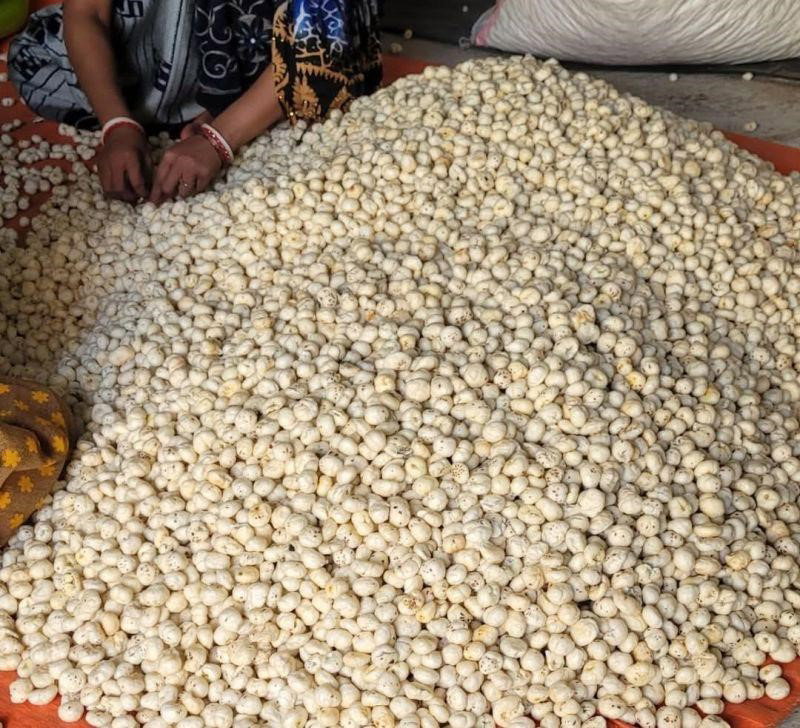
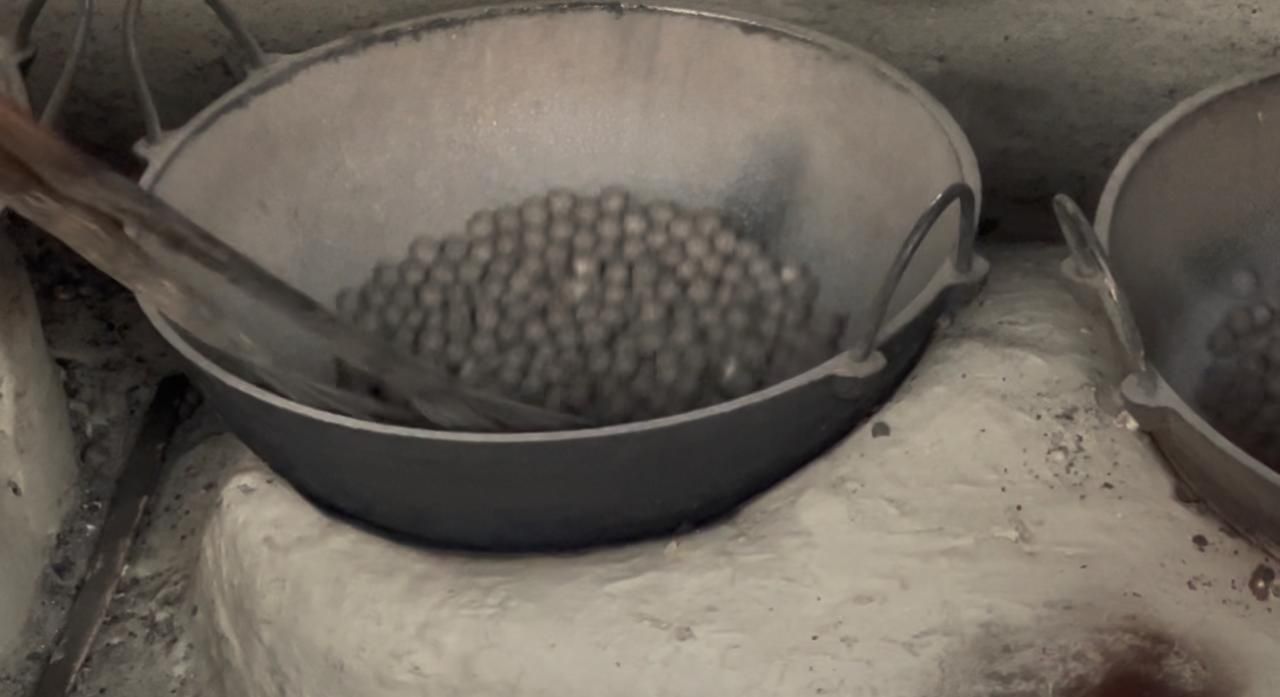
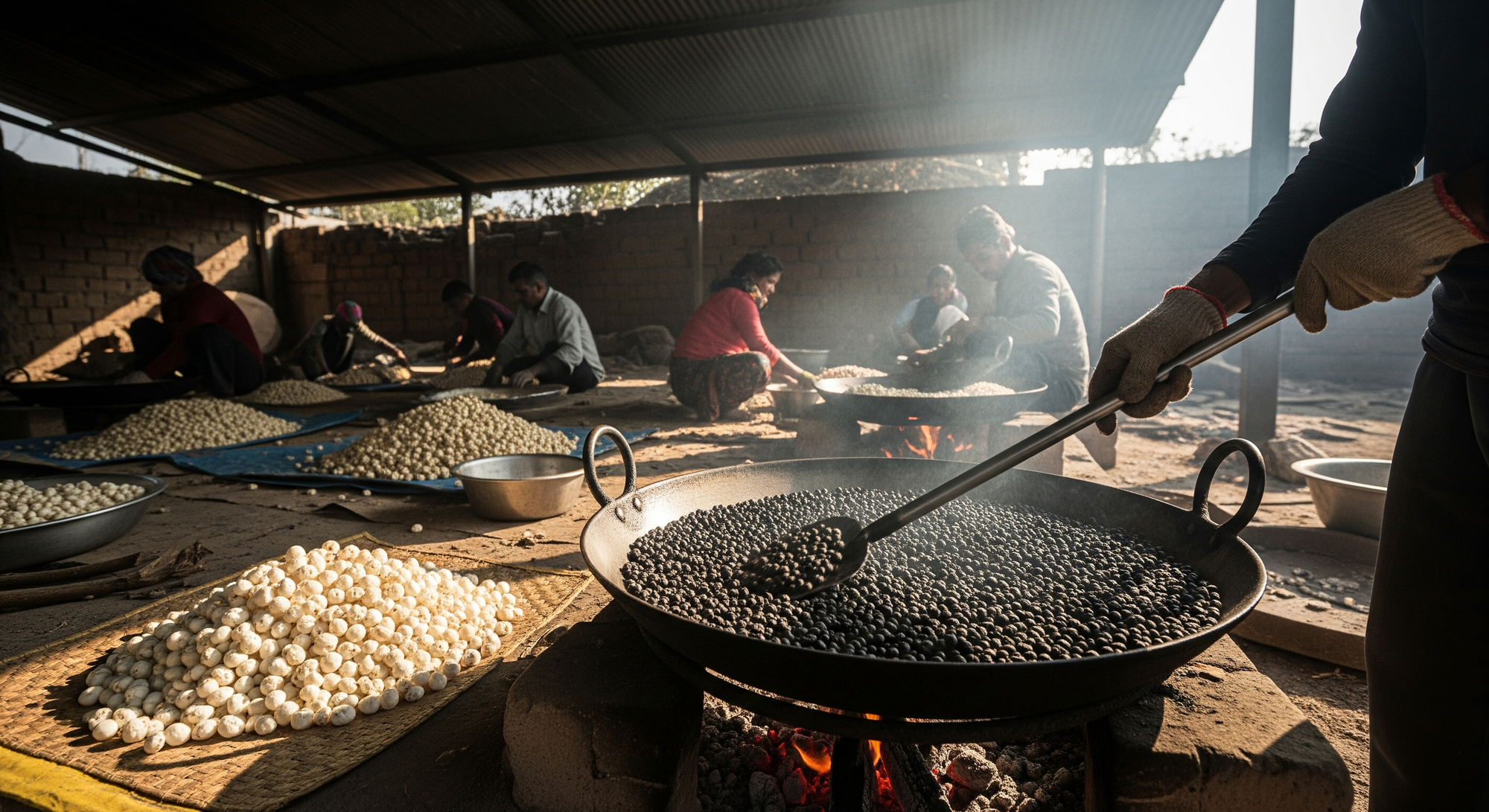
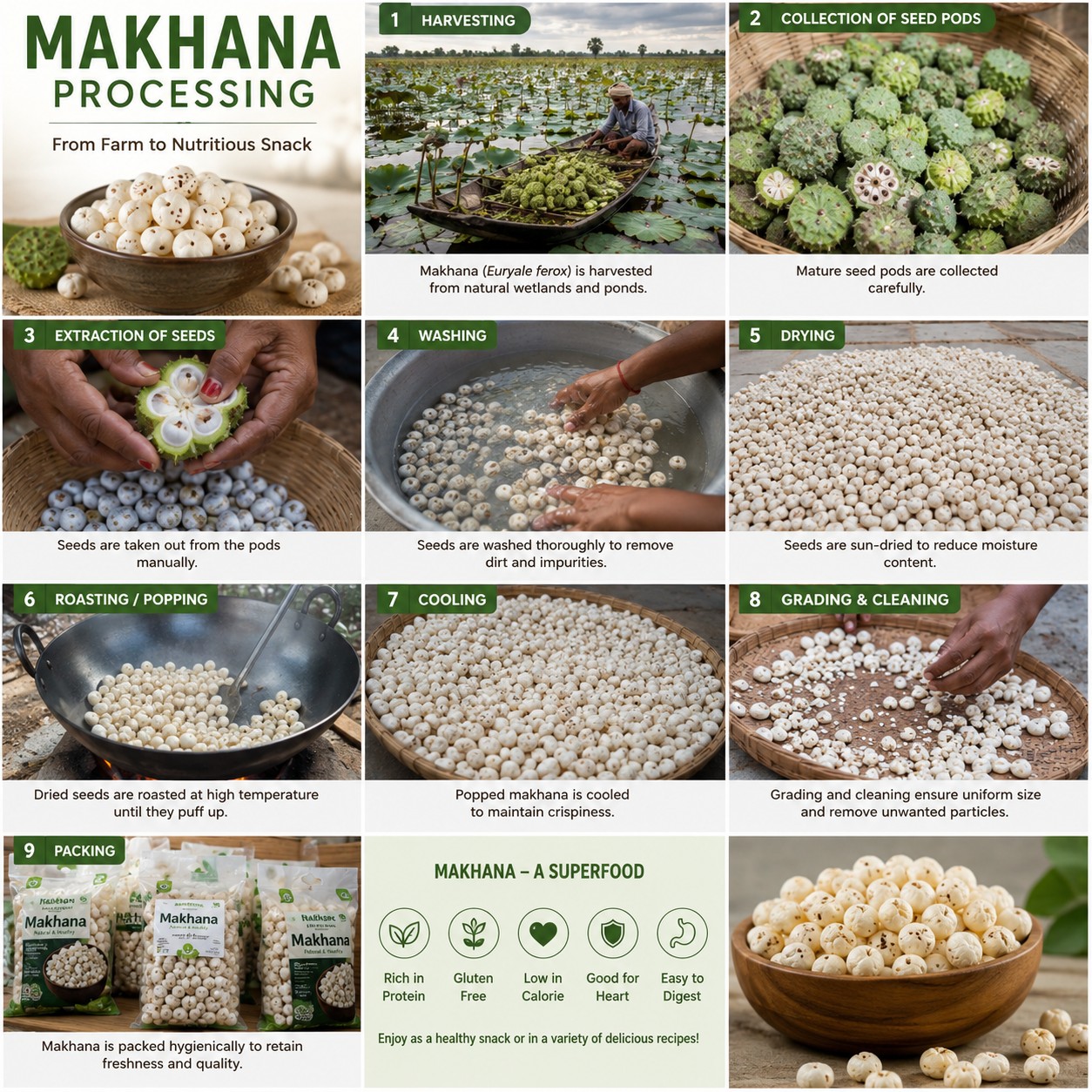
FAQ
मखाना के बारे में सब कुछ जानें
मखाना क्या है?
क्या मखाना प्राकृतिक है?
मखाना कैसे खाया जा सकता है?
मखाना को भूनकर, स्वाद बढ़ाने के लिए, करी में डालकर, खीर जैसी मिठाइयों में इस्तेमाल किया जा सकता है या तैयार नाश्ते के रूप में खाया जा सकता है। इसका उपयोग शिशु आहार और स्वास्थ्यवर्धक मिश्रणों में पाउडर के रूप में भी किया जाता है।
क्या मखाने में ग्लूटेन होता है?
नहीं, मखाना प्राकृतिक रूप से ग्लूटेन-फ्री होता है और ग्लूटेन असहिष्णुता वाले लोगों के लिए उपयुक्त है।
क्या वजन घटाने के लिए मखाना अच्छा है?
Yes. मखाना एक हल्का और पेट भरने वाला नाश्ता है, जो भूख को नियंत्रित करने में मदद करता है। इसमें आवश्यक पोषक तत्व होते हैं, जिससे यह वजन प्रबंधन के लिए उपयुक्त आहार बन जाता है।
क्या मखाना व्रत (उपवास) के लिए उपयुक्त है?
हाँ, मखाना भारत में व्रत (उपवास) के दौरान व्यापक रूप से खाया जाता है, क्योंकि यह शुद्ध, हल्का और उच्च ऊर्जा प्रदान करने वाला खाद्य पदार्थ है।
प्राकृतिक, प्रोसेस्ड और फ्लेवर्ड मखाना में क्या अंतर है?
- प्राकृतिक मखाना: कच्चा, न्यूनतम रूप से संसाधित रूप
- प्रोसेस्ड मखाना: एकसमान गुणवत्ता के लिए साफ, वर्गीकृत और पॉलिश किया हुआ।
- फ्लेवर्ड मखाना: भुने हुए मखाने जिन्हें मसालों या फ्लेवर से सीज़न किया जाता है, ये स्नैक के रूप में तुरंत खाने के लिए तैयार होते हैं।
मखाने को कैसे संग्रहित करना चाहिए?
मखाने को ताजगी और कुरकुरापन बनाए रखने और नमी सोखने से बचाने के लिए ठंडी, सूखी जगह पर एक वायुरोधी डिब्बे में संग्रहित करना चाहिए।
मखाना पाउडर का उपयोग किसलिए किया जाता है?
मखाने की शेल्फ लाइफ कितनी होती है?
यदि सही तरीके से संग्रहित किया जाए, तो मखाना आमतौर पर 6–12 महीनों तक सुरक्षित रहता है, जो पैकेजिंग और भंडारण की परिस्थितियों पर निर्भर करता है।
What's the role of Moisture and Popping ?
- Properly dried makhana has low moisture
- Gives better puffing and crispiness
- Longer shelf life
मखाना (फॉक्स नट्स) की शिपमेंट के लिए कौन-कौन से पैकेजिंग विकल्प उपलब्ध हैं?
मखाने की सामान्य शेल्फ लाइफ कितनी होती है, और इसे कौन से कारक प्रभावित करते हैं?
5 सूत और 6 सूत मखाना में क्या अंतर है?
| Feature | 5 Suta Makhana | 6 Suta Makhana |
|---|---|---|
| Size | Medium to large | Large |
| Appearance | Good, fairly uniform | More prominent and premium-looking |
| Selection | Standard/premium depending on sorting | Usually higher-grade selection |
| Price | Generally more economical | Generally higher |
| Use | Retail, roasting, flavouring, bulk supply | Premium retail, gifting, export, premium snacks |
| Market Position | Standard/Premium | Premium/High-value |
In simple terms:
5 Suta = good-quality, medium-large Makhana
6 Suta = larger, more premium Makhana
The exact size, colour, shape and percentage of whole/broken pieces can vary depending on the processor's grading and sorting standards. Therefore, buyers should confirm the actual product specification and sample before placing a bulk order.
बड़े मखाने अधिक महंगे क्यों होते हैं?
The main reasons are:
- Lower availability – Larger, well-developed popped Makhana represents a smaller proportion of the total production.
- More sorting and grading – Achieving a consistent large-size lot requires additional sorting and quality selection.
- Better visual appeal – Larger, whole and uniform Makhana has a more premium appearance, particularly for retail and export markets.
- Higher demand for premium products – Premium snack brands, retailers and international buyers often prefer larger, attractive pieces.
- Higher processing and handling value – Carefully selected whole Makhana requires greater attention during grading, handling and packing.
- Premium positioning – Larger grades can be marketed for premium retail packs, gifting, private-label products and high-end snack applications.
Larger + more uniform + better selected Makhana = higher grade → higher market value.
However, size alone does not determine quality. Freshness, moisture, colour, cleanliness, crunch, broken-piece percentage and overall quality should also be considered when comparing Makhana prices.
फूल मखाना क्या है?
The seeds are harvested from aquatic ponds, cleaned, dried, roasted/popped, and then sorted into different sizes and grades. The resulting white, crunchy kernels are commonly eaten as a snack or used as an ingredient in food products.
Why is it called "Phool Makhana"?
The word "Phool" means flower in Hindi. The name refers to the characteristic white, flower-like appearance of the popped Makhana kernels.
Common names
- Phool Makhana – India
- Makhana – India
- Fox Nuts – International market
- Gorgon Nuts / Gorgon Seeds – English
- Euryale ferox seeds – Botanical name
मखाना की खेती कैसे की जाती है?
🌱 1. Pond Preparation
Makhana is generally grown in water-filled ponds and wetlands. Farmers prepare the cultivation area and maintain an appropriate water depth throughout the growing season.
🌿 2. Plant Growth
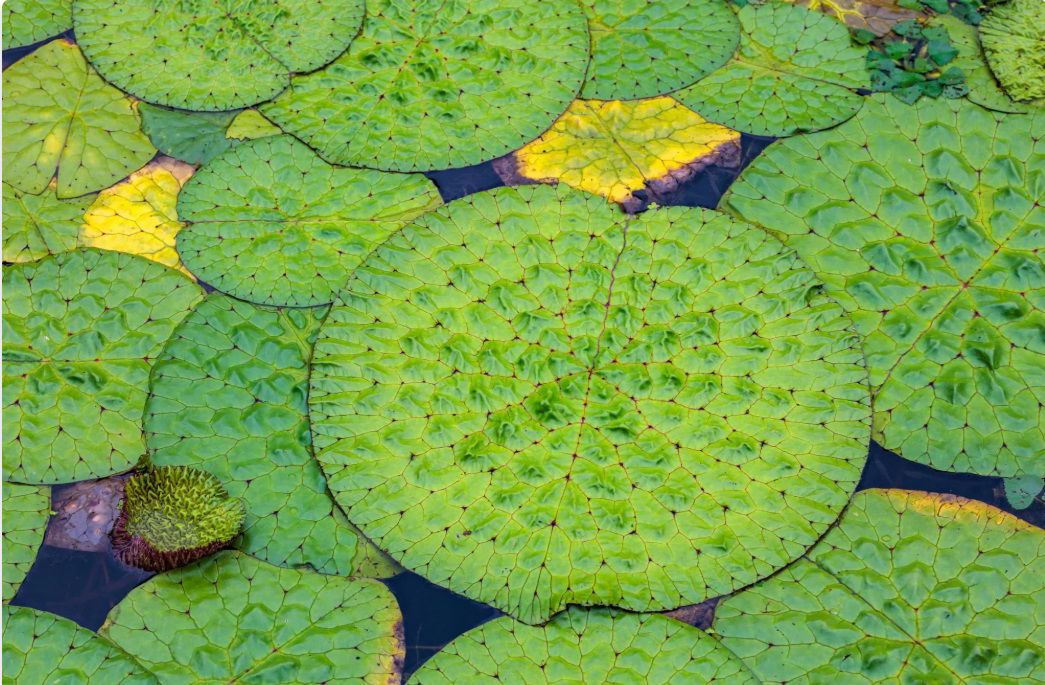
The Makhana plant develops large, floating leaves on the water surface. The plant has spiny leaves and stems, which make traditional cultivation and harvesting physically demanding.
🌸 3. Flowering and Seed Formation
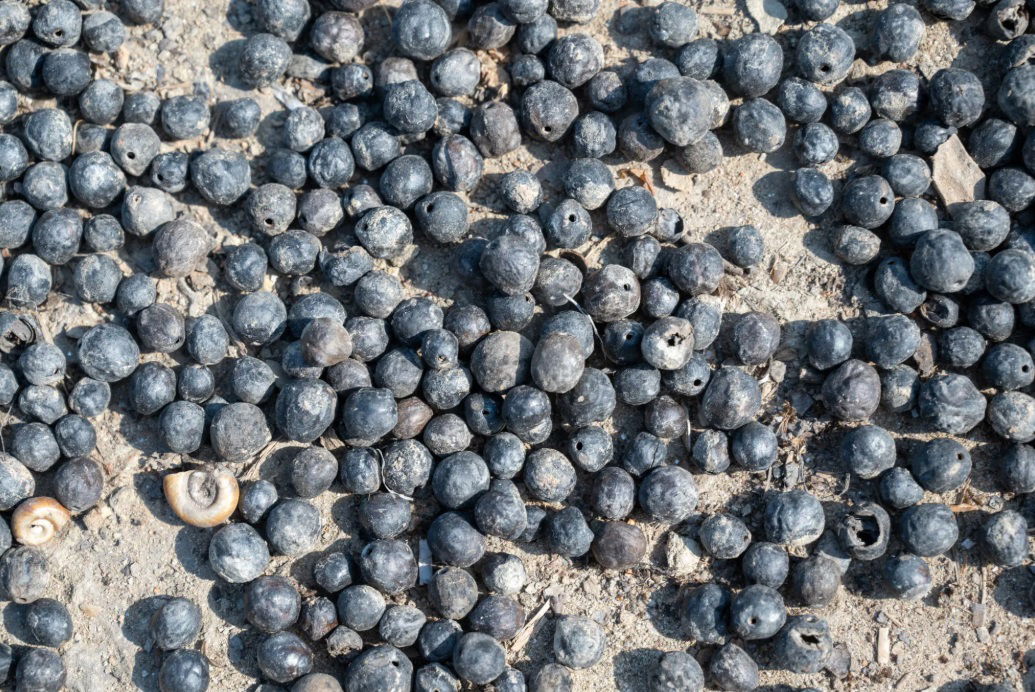
The plant produces flowers, followed by fruits containing numerous small black seeds. These seeds eventually sink into the pond.
💧 4. Seed Collection
After the seeds mature, farmers collect them from the water and pond bottom. Traditional harvesting can involve considerable manual work.
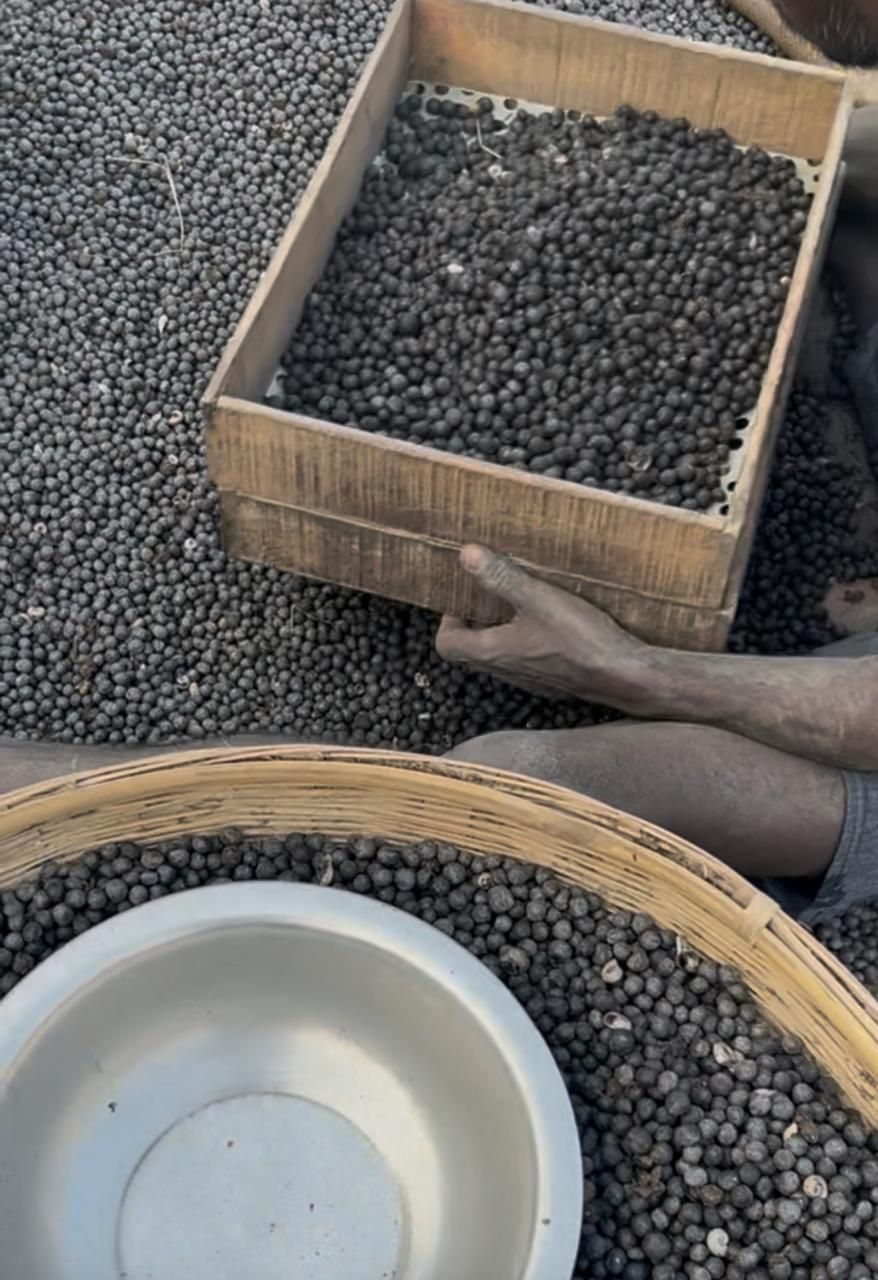
☀️ 5. Drying and Processing
The collected seeds are cleaned and dried. They are then subjected to controlled roasting/heating and popping, which transforms the hard black seeds into the familiar white Makhana kernels.
🔨 6. Popping
The traditional popping process is one of the most distinctive stages of Makhana production. Proper heating and processing help produce large, well-popped kernels.
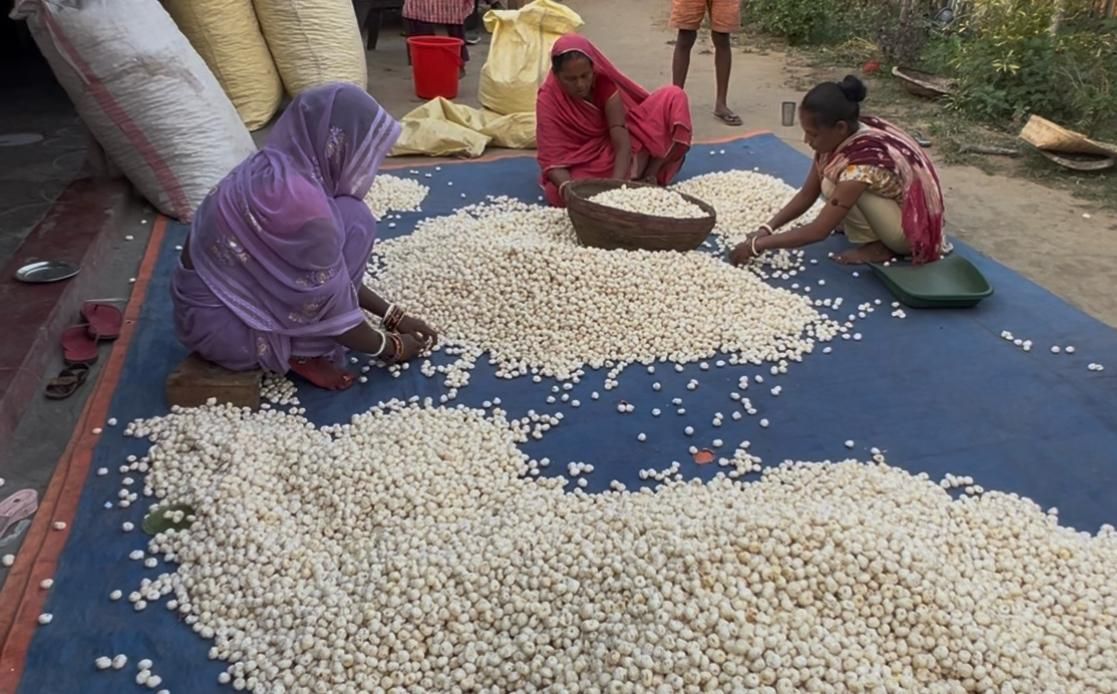
📏 7. Sorting & Grading
After popping, the kernels are sorted according to size, appearance and quality. Commercial grades are commonly described using the Suta system, including:
- 4 Suta
- 5 Suta
- 6 Suta
- 6+ Suta / Handpicked
Finally, the graded Makhana is packed for:
- Domestic wholesale
- Retail
- Food manufacturing
- Private-label products
- Export markets
Pond → Plant → Flower/Fruit → Seeds → Harvest → Drying → Roasting/Popping → Sorting → Grading → Packaging → Consumer
मखाने के रासायनिक गुण
Typical nutritional/chemical composition
The exact composition varies with cultivar, growing conditions, maturity, processing and popping method, so these should be treated as approximate rather than fixed specifications.
| Component | Typical characteristic |
|---|---|
| Carbohydrates | Major component, predominantly starch |
| Starch | The principal carbohydrate |
| Protein | Moderate amount |
| Dietary fibre | Present |
| Fat/Lipids | Relatively low |
| Moisture | Low in properly dried/popped product |
| Ash/Minerals | Present in small quantities |
| Minerals | Includes calcium, phosphorus, magnesium, potassium and iron |
| Amino acids | Contains several essential and non-essential amino acids |
| Bioactive compounds | Phenolic compounds and other antioxidant-related constituents have been reported |
1. Carbohydrates and starch
The most important chemical component of Makhana is starch. This is responsible for much of its characteristic structure and contributes to the expansion that occurs during the popping process.
The starch consists primarily of:
- Amylose
- Amylopectin
2. Protein
Makhana contains plant protein with a range of amino acids. Its protein composition makes it useful as a plant-based food ingredient, although it should not automatically be described as a complete protein source without appropriate amino-acid analysis.
3. Lipids
Makhana is naturally low in fat compared with many conventional snack foods. This is one reason plain roasted Makhana is often positioned as a lighter snack.
4. Dietary fibre
Makhana contains dietary fibre, although the amount can vary substantially depending on whether you're analysing the raw seed, popped kernel, or a processed product.
5. Minerals
Makhana contains various minerals, including:
Calcium • Magnesium • Phosphorus • Potassium • Iron
The actual mineral concentration can vary depending on cultivation conditions and processing.
6. Bioactive compounds
Research on Euryale ferox has identified various phytochemicals and antioxidant-associated compounds, including phenolic compounds and flavonoid-related constituents.
एक दिन में कितना मखाना खाया जा सकता है?
क्या मखाना बिना रसायनों के संसाधित किया जाता है?
Harvesting → Cleaning → Drying → Roasting/Popping → Sorting → Grading → Packaging
These steps do not inherently require chemical preservatives.
क्या मखाना जैविक है?
क्या मखाना सेहत के लिए अच्छा है?
मखाने के क्या-क्या स्वास्थ्य लाभ हैं?
क्या मधुमेह रोगी मखाना खा सकते हैं?
मखाना का ग्लाइसेमिक इंडेक्स क्या है?
क्या मखाना शाकाहारी/वीगन आहार के लिए उपयुक्त है?
फ्लेवर्ड मखाना कैसा होता है, क्या यह शाकाहारी होता है?
- दूध या दूध पाउडर
- मक्खन
- पनीर
- मट्ठा
- अन्य डेयरी-व्युत्पन्न सामग्री
मखाने में कितनी कैलोरी होती है?
मखाना कैसे तैयार किया जाता है?
हैंड-पिक्ड मखाना क्या होता है?
मखाना के संदर्भ में "सूता" शब्द का क्या अर्थ है? मखाना का वर्गीकरण कैसे किया जाता है?
Size (Suta Count)
Makhana is passed through specially designed sieves/screens.
The number of seeds that fit into a standard measuring area determines the Suta count.
| Suta Grade | Seed Size | Quality Level |
|---|---|---|
| 4–5 Suta | Normal | Regular |
| 5–6 Suta | Medium | Standard |
| 6–7 Suta | Large | High |
| 7–8 Suta | Extra Large | Premium |